

Ayurvedic Treatment for Osteoarthritis and Headache in a 57-Year-Old Woman: Patient Case Study
"Read a patient case study of a 57-year-old woman receiving Ayurvedic treatment for osteoarthritis and headache at Ayurveda Center at Taj Gandhinagar."

Quick Answer & Summary
This patient case study describes the treatment journey of a 57-year-old female patient who visited the Ayurveda Center at Taj Gandhinagar with complaints of joint pain, lower back discomfort, abdominal bloating, and headache. Under the care of Dr. Swapnil Modi, she received a personalized Ayurvedic treatment program that included Basti, Patrapinda Swedan, Katibasti, Shirodhara, Abhyanga, and Baspaswedana.
Osteoarthritis and recurring headaches can affect everyday activities, physical comfort, and overall quality of life. Ayurveda offers traditional therapeutic approaches that may be considered as part of an individualized care plan following proper assessment by a qualified Ayurvedic practitioner.
This patient case study describes the treatment journey of a 57-year-old female patient who visited the Ayurveda Center at Taj Gandhinagar with complaints of joint pain, lower back discomfort, abdominal bloating, and headache. Under the care of Dr. Swapnil Modi, she received a personalized Ayurvedic treatment program that included Basti, Patrapinda Swedan, Katibasti, Shirodhara, Abhyanga, and Baspaswedana.
The patient reported symptomatic improvement following the treatment and was discharged in a hemodynamically stable condition with dietary, lifestyle, and follow-up recommendations.
Patient Details and Medical History
The patient was a 57-year-old female admitted to the Ayurveda Center at Taj Gandhinagar on 26 September 2026 for Ayurvedic treatment and supervised care.
Patient Information:
- Patient: 57-year-old female
- Age: 57 years
- Gender: Female
- Date of Admission: 26 September 2026
- Time of Admission: 12:30 PM
- Date of Discharge: 3 October 2026
- Time of Discharge: 7:45 PM
- Treating Doctor: Dr. Swapnil Modi
- Ayurvedic Diagnosis: Sandhigat Vata and Shirashshul
- Allopathic Diagnosis: Exacerbation of Osteoarthritis and Cephalalgia
- Allergy History: No known allergies to medicines or food, as reported in the medical history
The patient was admitted for supervised Ayurvedic treatment and monitoring during the prescribed procedures.
Symptoms and Health Concerns at Admission
At the time of admission, the patient reported multiple symptoms that had been present for approximately eight days.
The documented complaints included:
- Sarvang Sandhishul: Pain affecting multiple joints and body regions.
- Sandhigauravta: A feeling of heaviness or discomfort around the joints.
- Katishul: Lower back pain.
- Aadhman: Abdominal bloating or distension.
- Shirashshul: Headache.
- Shirogauravta: A feeling of heaviness in the head.
- Urogauravta: A feeling of heaviness in the chest region.
- Padashul: Pain in the feet.
Following clinical assessment, the Ayurvedic diagnosis was recorded as Sandhigat Vata and Shirashshul. The corresponding allopathic diagnoses were exacerbation of osteoarthritis and cephalalgia.
Based on the assessment, Dr. Swapnil Modi recommended a combination of traditional Ayurvedic procedures as part of an individualized treatment plan.
Ayurvedic Treatment Plan at Ayurveda Center at Taj Gandhinagar
The patient was advised a combination of therapies intended to address her documented symptoms according to the prescribed Ayurvedic treatment approach.
The procedures included:
1. Basti Therapy
Basti is a traditional Panchakarma procedure involving the administration of prescribed medicinal preparations through the rectal route.
In Ayurveda, Basti is traditionally associated with Vata-related conditions. The procedure was included in the patient's treatment plan following the practitioner's assessment.
2. Patrapinda Swedan
Patrapinda Swedan is a traditional Ayurvedic fomentation procedure that uses herbal leaves prepared into warm boluses.
These boluses are applied to selected body areas using controlled movements. The procedure is traditionally used as part of Ayurvedic care for musculoskeletal discomfort and stiffness.
3. Katibasti
Katibasti is a localized Ayurvedic therapy in which warm medicated oil is retained over the lower back within a specially prepared boundary.
It is traditionally used in Ayurvedic treatment programs addressing lower back discomfort and stiffness.
4. Shirodhara
Shirodhara is a traditional Ayurvedic procedure in which a continuous stream of selected liquid, commonly medicated oil, is gently poured over the forehead.
It is often included in traditional Ayurvedic wellness programs focused on relaxation and calming experiences.
5. Abhyanga
Abhyanga is a traditional Ayurvedic oil massage performed using selected oils and specific application techniques.
It is commonly incorporated into Ayurvedic wellness and treatment programs to support relaxation and provide a traditional massage experience.
6. Baspaswedana
Baspaswedana is a traditional Ayurvedic steam or fomentation procedure. It involves the application of controlled steam as part of selected Ayurvedic treatment protocols.
The procedure was included in the patient's overall treatment plan under professional supervision.
Hospital Treatment and Monitoring
The patient was admitted from 26 September 2026 to 3 October 2026 under the care of Dr. Swapnil Modi.
During hospitalization, the prescribed Ayurvedic procedures were carried out according to the treatment plan. The treatment record documented four sessions of Patrapinda Swedan and eight sessions each of the other prescribed procedures.
Hospital admission was recommended to allow appropriate monitoring during treatment and reduce the risk of complications associated with fluid loss, including hypotension and giddiness.
The patient's condition was monitored during the treatment period.
Following the prescribed procedures, the patient reported symptomatic improvement. Based on her clinical condition and progress, discharge was advised with instructions to continue the remaining treatment sessions on an outpatient basis.
No investigations were applicable or recorded during this admission.
Patient Condition at the Time of Discharge
The patient was discharged on 3 October 2026 at 7:45 PM.
Condition at discharge: Hemodynamically stable.
The patient was advised to continue the remaining prescribed treatment sessions on an OPD basis and follow the recommended dietary and lifestyle guidelines.
Post-Treatment Diet and Lifestyle Recommendations
Following discharge, the patient received specific Ahara (dietary) and Vihara (lifestyle) recommendations as part of the recovery plan.
Ahara – Dietary Recommendations
The patient was advised to follow a light, warm, and easily digestible diet.
Recommended food preparations included:
- Mudga Yusha (moong dal soup).
- Rice gruel.
- Light vegetable soups.
- Other warm and easily digestible food preparations as advised.
The patient was advised to avoid fermented, oily, spicy, and sour foods during the recommended recovery period.
These dietary instructions were part of the patient's individualized Ayurvedic discharge plan.
Vihara – Lifestyle Recommendations
The following lifestyle precautions were advised:
- Avoid excessive walking and unnecessary physical exertion.
- Avoid excessive talking.
- Avoid sitting in uncomfortable postures for prolonged periods.
- Maintain adequate rest.
- Follow a calm and comfortable daily routine.
The patient was also advised to follow the treating practitioner's instructions during the outpatient treatment period.
Follow-Up and Continued Care
After discharge, the patient was advised to continue the remaining prescribed Ayurvedic treatment sessions on an OPD basis.
A follow-up consultation was recommended after 10 days with Dr. Swapnil Modi, with a prior appointment.
Regular follow-up allows the treating practitioner to review the patient's condition, assess progress, and provide further recommendations according to individual requirements.
Exploring Personalized Ayurvedic Treatment at Taj Gandhinagar
This case highlights how a combination of traditional Ayurvedic procedures can be incorporated into an individualized treatment plan under professional supervision.
At the Ayurveda Center at Taj Gandhinagar, treatment planning considers the patient's reported symptoms, Ayurvedic assessment, and individual requirements.
Individuals experiencing joint discomfort, back pain, or recurring headaches should seek appropriate medical evaluation before considering Ayurvedic procedures. Treatment selection should always be based on professional assessment, medical history, and suitability.
The center provides an opportunity to explore traditional Ayurvedic treatment approaches with practitioner guidance.
Conclusion
This case study describes the Ayurvedic treatment journey of a 57-year-old female patient diagnosed with Sandhigat Vata and Shirashshul, with corresponding allopathic diagnoses of exacerbation of osteoarthritis and cephalalgia.
Under the care of Dr. Swapnil Modi at the Ayurveda Center at Taj Gandhinagar, she underwent a personalized treatment program involving Basti, Patrapinda Swedan, Katibasti, Shirodhara, Abhyanga, and Baspaswedana.
The patient reported symptomatic improvement following the treatment and was discharged in a hemodynamically stable condition with dietary, lifestyle, and follow-up recommendations.
Medical Disclaimer: This case study describes an individual patient's treatment experience and reported symptomatic improvement. It does not establish that the same results can be expected in other patients. Ayurvedic procedures may carry risks and are not substitutes for evidence-based medical diagnosis or treatment. Consult a qualified healthcare professional before undergoing any therapeutic procedure.
Enjoying this post? Add us to your Preferred Sources on Google.

About The Author
Dt. Riddhi Nanda
Experienced Nutrition & Lactation Consultant with over 10 years of expertise, having successfully guided 10,000+ patients. Certified in CCN, CWMST, ALP, PGDHHM, PGDMLS, and a proud member of the Nutrition Society of India.
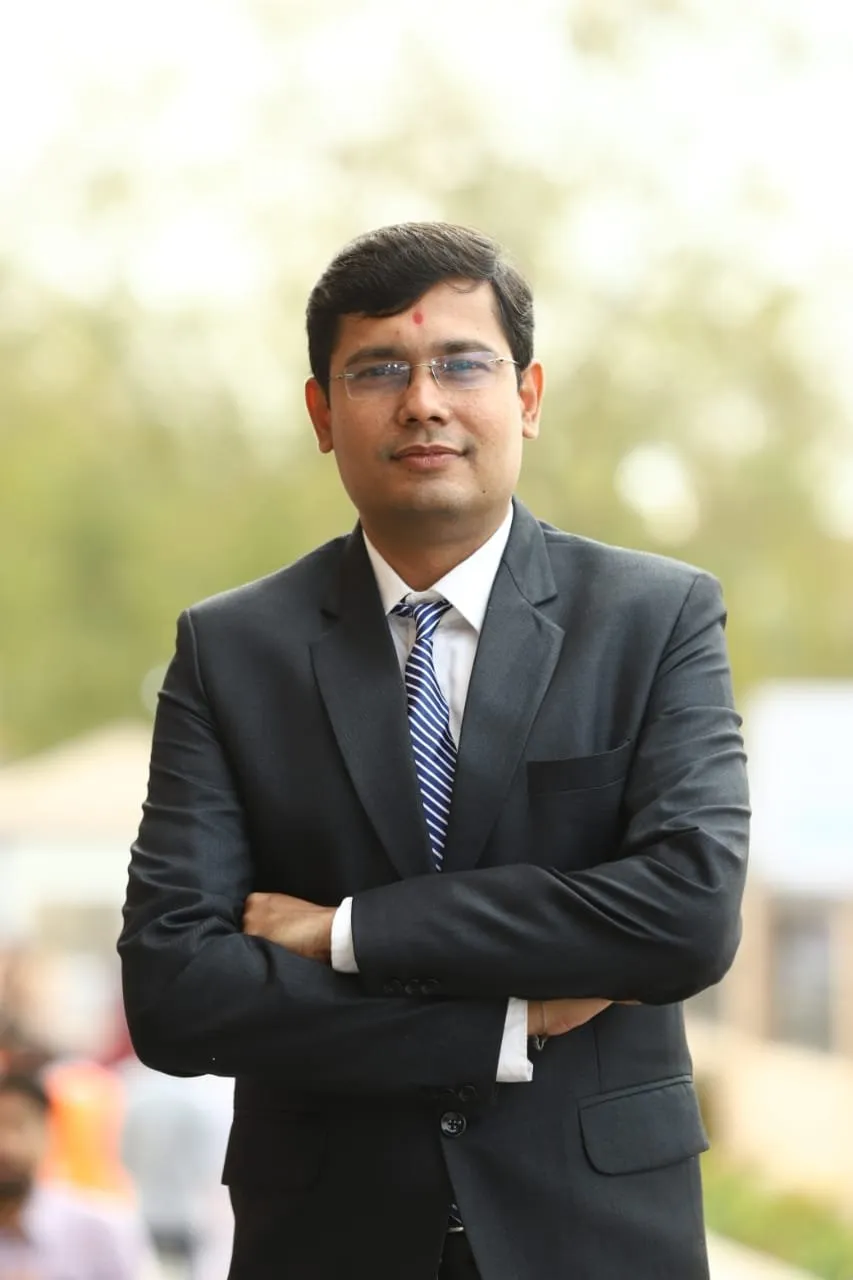
Vaidya Swapnil Modi, BAMS
Senior Ayurveda Vaidya & Nadi Pariksha Specialist • 17+ Years Clinical Experience
Senior Ayurveda Vaidya at Ayurveda Center, Taj Gandhinagar Resort & Spa (in clinical collaboration with SETU Holistic Hospital). Former Specialist at SGVP Holistic Hospital. Specialist in classical Panchakarma protocols, Nadi Pariksha bio-energetic assessment, and neuro-calmative Vedic therapies for psychosomatic balance.
The clinical articles, treatment pathways, and retreat descriptions published on this website are provided strictly for educational and health-literacy purposes. Ayurvedic interventions—including Shirodhara, classical Panchakarma purification, herbal medicaments, and dietary protocols—are complementary holistic therapies designed to address doshic imbalances, support metabolic digestion (Agni), and calm the central nervous system.
Content clinically supervised by registered Ayurvedic Vaidyas at SETU Holistic Hospital / Ayurveda Center, Taj Convention Centre, Gandhinagar, Gujarat.
Questions & Answers