Raktamokshana in Ayurveda: Traditional Bloodletting Therapy Explained
"Explore Raktamokshana Therapy in Ayurveda, its traditional methods, Panchakarma connection, potential applications, safety precautions, and treatment considerations."

Quick Answer & Summary
Raktamokshana is a traditional Ayurvedic therapeutic procedure that involves the controlled removal of blood as part of specific treatment approaches described in classical Ayurveda. It is associated with the teachings of Acharya Sushruta and is traditionally used in conditions believed to involve an imbalance of Rakta Dhatu (blood tissue) and Pitta dosha.
Raktamokshana is a traditional Ayurvedic therapeutic procedure that involves the controlled removal of blood as part of specific treatment approaches described in classical Ayurveda. It is associated with the teachings of Acharya Sushruta and is traditionally used in conditions believed to involve an imbalance of Rakta Dhatu (blood tissue) and Pitta dosha.
Known as one of the important purification procedures in the Ayurvedic tradition, Raktamokshana is discussed in connection with Panchakarma and Shodhana Chikitsa (purification therapy). It includes different traditional techniques, such as leech therapy and controlled bloodletting procedures.
Today, people interested in traditional Ayurvedic practices often seek to understand how Raktamokshana works, its traditional purpose, different methods, and important safety considerations. This guide explains the fundamentals of Raktamokshana Therapy and what individuals should know before considering it under professional supervision.
What Is Raktamokshana Therapy in Ayurveda?
The word Raktamokshana comes from two Sanskrit words: Rakta, meaning blood, and Mokshana, meaning release or removal. In traditional Ayurveda, Raktamokshana refers to a therapeutic procedure involving the controlled removal of blood.
According to Ayurvedic principles, Rakta Dhatu is closely associated with Pitta dosha. Classical Ayurvedic texts describe Raktamokshana Treatment as an approach for conditions traditionally associated with Rakta Dushti (vitiation of blood).
Acharya Sushruta described various bloodletting techniques and their applications in traditional Ayurvedic practice. The procedure is intended to be selected according to the individual's health condition, constitution, and suitability.
Unlike general blood donation or unsupervised bloodletting, Raktamokshana Treatment in Ayurveda is a specialized therapeutic procedure that requires appropriate clinical assessment, trained supervision, sterile equipment, and careful aftercare.
Raktamokshana Therapy in Panchakarma
Panchakarma is a traditional Ayurvedic system of purification procedures designed to address imbalances according to Ayurvedic principles. Raktamokshana is included among the purification approaches described in the Sushruta tradition.
The five commonly discussed Panchakarma procedures are:
- Vamana – Therapeutic emesis.
- Virechana – Therapeutic purgation.
- Basti – Medicated enema therapy.
- Nasya – Administration of prescribed preparations through the nasal route.
- Raktamokshana – Traditional bloodletting therapy.
Raktamokshana differs from the other procedures because it involves controlled blood removal rather than the administration of medicines through the digestive or nasal routes.
The procedure is not automatically required as part of every Panchakarma program. Its suitability depends on an individualized assessment by a qualified Ayurvedic practitioner.
Different Types of Raktamokshana Treatment
Classical Ayurvedic literature describes several techniques of Raktamokshana. The selection depends on the traditional treatment approach and the individual's clinical condition.
1. Jalaukavacharana (Leech Therapy)
Jalaukavacharana is a traditional technique that uses medicinal leeches for controlled bloodletting. It is one of the most widely discussed forms of Raktamokshana Ayurvedic Therapy.
In this method, appropriately selected medicinal leeches are applied by trained professionals to a designated area. Leech saliva contains biologically active substances, including anticoagulant compounds, which help maintain blood flow during feeding.
Modern medical literature has also examined medicinal leech therapy, particularly in selected reconstructive surgical situations involving venous congestion. However, this does not establish its effectiveness for every condition traditionally associated with Raktamokshana.
Strict hygiene, appropriate leech selection, infection prevention, and professional monitoring are essential.
2. Siravedha (Venesection)
Siravedha is a traditional technique involving controlled blood removal through a vein using appropriate medical instruments.
It is described in classical Ayurvedic surgical literature and requires specialized knowledge of anatomy, patient assessment, and procedural safety.
Because it involves direct blood removal, careful evaluation of blood counts, bleeding risks, and general health is important.
3. Prachchana (Scarification)
Prachchana involves superficial controlled scraping or small incisions in a localized area to allow limited blood release.
This technique is traditionally described for selected localized conditions. It must only be considered in an appropriate clinical setting with sterile instruments and proper wound-care arrangements.
4. Shringa and Alabu Techniques
Shringa and Alabu are traditional methods involving suction-based techniques.
- Shringa: Traditionally uses a horn-shaped instrument to create suction.
- Alabu: Uses a gourd-like instrument for localized suction and bloodletting.
These techniques are described in classical Ayurvedic literature, although their use and clinical standardization vary.
Traditional Benefits and Applications of Raktamokshana Ayurvedic Therapy
In traditional Ayurveda, Raktamokshana is associated with conditions believed to involve Rakta Dhatu and Pitta dosha imbalances.
Ayurvedic literature discusses its use in selected skin-related, inflammatory, and localized conditions. Some contemporary research has explored medicinal leech therapy for specific medical applications.
However, it is important to distinguish traditional indications from scientifically established treatment outcomes. Current research on Raktamokshana remains limited, with variations in treatment methods, study quality, and participant numbers.
Potential areas discussed in traditional and contemporary literature include:
- Traditional skin care: Classical Ayurvedic texts describe Raktamokshana in relation to selected skin conditions.
- Localized inflammatory conditions: Certain techniques have been investigated for localized swelling and inflammation.
- Circulatory applications: Medical leech therapy has established specialized applications in certain reconstructive surgical settings.
- Ayurvedic purification: The procedure is traditionally included in Shodhana Chikitsa for selected individuals.
Raktamokshana should not be promoted as a guaranteed blood purification method, a general detoxification treatment, or a proven cure for chronic diseases.
Who Should Consider Raktamokshana Treatment?
Raktamokshana is not suitable for everyone. A qualified Ayurvedic practitioner must evaluate the individual's health history, current symptoms, medications, and overall physical condition before considering the procedure.
People with anemia, bleeding disorders, low blood pressure, significant weakness, active infections, or conditions affecting blood clotting may face additional risks.
Pregnant individuals and people taking anticoagulant or antiplatelet medications require particular caution and medical assessment. The procedure may be unsuitable depending on individual circumstances.
A responsible practitioner should explain the expected procedure, possible complications, alternative treatment options, and aftercare requirements before obtaining informed consent.
Safety and Precautions During Raktamokshana Treatment
Since Raktamokshana involves blood removal or skin penetration, safety must be a priority.
Important precautions include:
- Qualified supervision: Treatment should only be performed by appropriately trained and qualified practitioners.
- Health assessment: Medical history and relevant investigations should be reviewed before treatment.
- Sterile equipment: Instruments and treatment areas must follow appropriate infection-control standards.
- Leech safety: Medicinal leeches require proper identification, sourcing, handling, and single-patient-use protocols.
- Blood-loss monitoring: Excessive bleeding and symptoms of weakness or dizziness must be monitored.
- Aftercare: Wound management, infection prevention, and follow-up are important.
Potential complications include prolonged bleeding, infection, allergic reactions, fainting, and anemia. Leech therapy also carries a risk of bacterial infection, including infection associated with bacteria naturally present in leech digestive systems.
Seek medical attention for persistent bleeding, fever, increasing redness, severe pain, or other signs of infection.
Choosing an Ayurvedic Center for Raktamokshana Therapy
Choosing an appropriate Ayurvedic center is an important consideration when exploring traditional therapies. Patients should prioritize practitioner qualifications, clinical assessment, hygiene, transparent communication, and proper follow-up care.
The Ayurveda Center at Taj Gandhinagar provides a starting point for individuals interested in exploring traditional Ayurvedic wellness approaches in Gujarat.
Before planning Raktamokshana Treatment, contact the center to confirm whether the procedure is currently available, the qualifications of the supervising practitioner, the assessment process, and the safety protocols followed.
A personalized consultation is important because not every individual requires or is suitable for bloodletting therapy. Treatment decisions should always be based on professional evaluation rather than generalized wellness recommendations.
Conclusion
Raktamokshana is an important traditional procedure in Ayurvedic literature, particularly in the Sushruta tradition. Its different techniques, including Jalaukavacharana, Siravedha, and Prachchana, reflect the historical development of specialized Ayurvedic treatment practices.
Although Raktamokshana Therapy has a significant place in traditional Ayurveda, its clinical effectiveness for many proposed applications requires stronger scientific evidence. Since the procedure involves blood removal and potential infection risks, professional assessment, proper hygiene, and careful monitoring are essential.
Individuals interested in Raktamokshana Treatment in Ayurveda can consult the Ayurveda Center at Taj Gandhinagar to learn about available services and whether a particular Ayurvedic approach may be appropriate for their needs.
Medical Disclaimer: This article is intended for educational purposes only. Raktamokshana is an invasive procedure and should never be attempted independently. Consult a qualified healthcare professional before considering bloodletting or leech therapy. It should not replace evidence-based medical diagnosis or treatment.
Enjoying this post? Add us to your Preferred Sources on Google.

About The Author
Dt. Riddhi Nanda
Experienced Nutrition & Lactation Consultant with over 10 years of expertise, having successfully guided 10,000+ patients. Certified in CCN, CWMST, ALP, PGDHHM, PGDMLS, and a proud member of the Nutrition Society of India.
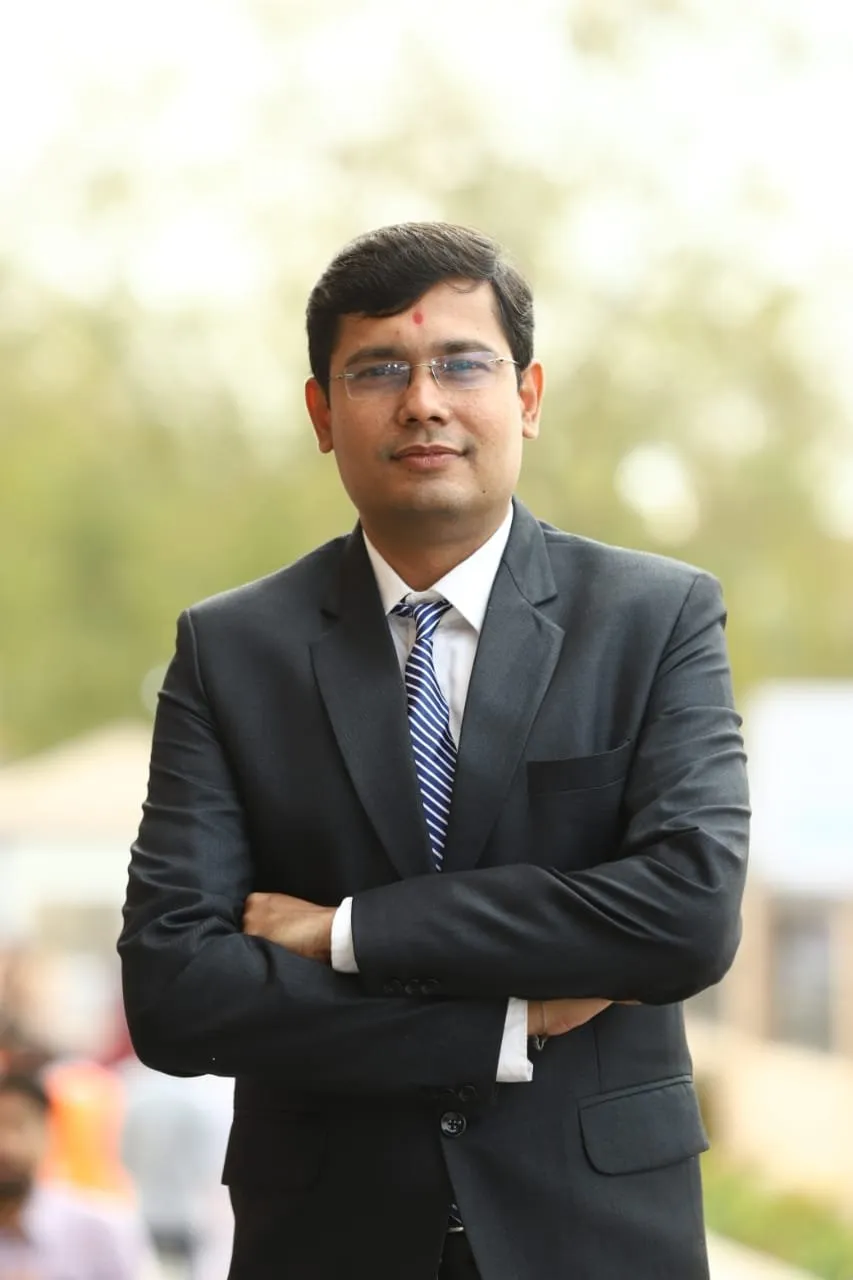
Vaidya Swapnil Modi, BAMS
Senior Ayurveda Vaidya & Nadi Pariksha Specialist • 17+ Years Clinical Experience
Senior Ayurveda Vaidya at Ayurveda Center, Taj Gandhinagar Resort & Spa (in clinical collaboration with SETU Holistic Hospital). Former Specialist at SGVP Holistic Hospital. Specialist in classical Panchakarma protocols, Nadi Pariksha bio-energetic assessment, and neuro-calmative Vedic therapies for psychosomatic balance.
The clinical articles, treatment pathways, and retreat descriptions published on this website are provided strictly for educational and health-literacy purposes. Ayurvedic interventions—including Shirodhara, classical Panchakarma purification, herbal medicaments, and dietary protocols—are complementary holistic therapies designed to address doshic imbalances, support metabolic digestion (Agni), and calm the central nervous system.
Content clinically supervised by registered Ayurvedic Vaidyas at SETU Holistic Hospital / Ayurveda Center, Taj Convention Centre, Gandhinagar, Gujarat.
Questions & Answers