
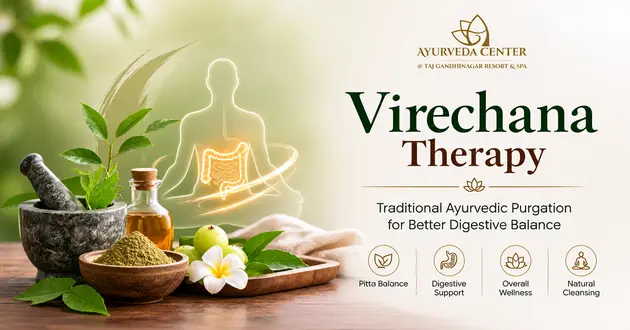
Virechana Therapy: Ayurvedic Purgation Treatment Explained
"Learn about Virechana Therapy, its traditional Ayurvedic purgation process, preparation, potential risks, recovery, and seasonal wellness considerations."
AI Overview & Quick Read
Virechana therapy is one of the five traditional cleansing procedures described in Ayurveda as part of Panchakarma. It involves medically supervised therapeutic purgation using selected herbal preparations and a structured treatment process. Traditionally, Virechana is associated with managing aggravated Pitta dosha and supporting digestive balance according to Ayurvedic principles.
Virechana therapy is one of the five traditional cleansing procedures described in Ayurveda as part of Panchakarma. It involves medically supervised therapeutic purgation using selected herbal preparations and a structured treatment process. Traditionally, Virechana is associated with managing aggravated Pitta dosha and supporting digestive balance according to Ayurvedic principles.
For people exploring traditional wellness practices, understanding how Virechana works, who may be suitable for it, and what to expect during treatment is essential. Unlike general wellness routines, Virechana Treatment requires an individualized assessment and supervision by a qualified Ayurvedic practitioner. It is not a routine home detox or a treatment suitable for everyone.
At the Ayurveda Center at Taj Gandhinagar, individuals interested in Ayurvedic therapies can explore traditional wellness approaches with guidance from qualified practitioners, subject to the center's available services and clinical assessment.
What Is Virechana Therapy in Ayurveda?
Virechana Therapy in Ayurveda is a Panchakarma procedure that uses prescribed purgative preparations to induce controlled bowel evacuation under professional supervision. The classical Ayurvedic approach considers this therapy particularly relevant to Pitta dosha, one of the three doshas described in Ayurvedic philosophy.
According to traditional Ayurvedic understanding, Pitta is associated with heat, metabolism, and transformation in the body. Ayurvedic practitioners may consider Virechana when assessing certain patterns of Pitta imbalance, depending on an individual's constitution, symptoms, digestive capacity, and overall health.
Virechana is different from taking an ordinary laxative. Traditional treatment involves preparation, administration of an appropriate formulation, observation during the procedure, and post-treatment dietary and lifestyle guidance.
It is important to understand that Ayurvedic explanations of doshas are part of a traditional medical framework. Claims that Virechana removes toxins or treats specific diseases have not been established by sufficient high-quality clinical evidence.
How Does Virechana Ayurvedic Therapy Work?
Virechana Ayurvedic Therapy follows a structured process intended to prepare the body for purgation and support recovery afterward. The exact protocol depends on the practitioner's assessment and the individual's health status.
1. Initial Consultation and Assessment
Before starting Virechana Treatment, an Ayurvedic practitioner evaluates the person's medical history, digestion, current symptoms, medications, and general health.
The practitioner may also assess traditional Ayurvedic factors such as Prakriti (constitution), Vikriti (current imbalance), Agni (digestive capacity), and suitability for Panchakarma.
This step helps determine whether Virechana is appropriate or whether another approach would be safer.
2. Preparatory Phase
Traditional Ayurvedic protocols may include preparatory measures such as Deepana and Pachana, which are intended to support digestive readiness. Depending on the prescribed protocol, internal or external oleation and therapeutic sweating may also be considered.
These measures are not identical for every individual. Their use, duration, and suitability should be determined by a qualified practitioner rather than followed through a generic online routine.
3. Administration of the Purgative Preparation
During the main procedure, the practitioner administers a selected purgative formulation according to the prescribed treatment plan.
The formulation, quantity, and timing depend on the individual's assessment and the clinical protocol. Bowel movements are monitored, and the person may be observed for symptoms such as weakness, dizziness, abdominal discomfort, or excessive fluid loss.
Virechana should never be attempted independently with strong herbal purgatives or unverified preparations.
4. Recovery and Dietary Guidance
After the procedure, traditional Ayurvedic care emphasizes a gradual return to normal eating. A practitioner may recommend easily digestible foods and a staged dietary plan based on the person's recovery.
Adequate hydration, rest, and observation are important. Persistent vomiting, fainting, severe abdominal pain, blood in the stool, or signs of dehydration require prompt medical evaluation.
What Are the Traditional Benefits of Ayurvedic Purgation?
Ayurvedic Purgation is traditionally used as a therapeutic procedure within Panchakarma. Its proposed benefits are described within Ayurvedic theory, but the strength of scientific evidence varies, and it should not be presented as a proven cure or a guaranteed detoxification method.
Potential traditional objectives include:
- Pitta-focused care: Virechana is traditionally associated with addressing aggravated Pitta dosha.
- Structured digestive care: The procedure incorporates practitioner-guided preparation and recovery rather than an unsupervised cleansing routine.
- Individualized wellness planning: Consultation allows practitioners to consider digestion, constitution, health history, and lifestyle.
- Traditional seasonal care: Some Ayurvedic practitioners incorporate cleansing procedures into broader seasonal wellness plans when clinically appropriate.
It is essential to distinguish traditional explanations from established medical outcomes. There is insufficient reliable evidence to conclude that Virechana removes unspecified toxins, improves every digestive problem, or prevents chronic disease.
People experiencing persistent digestive symptoms should seek appropriate medical assessment rather than relying on purgation alone.
Virechana Treatment and Seasonal Detox: Is There a Connection?
Seasonal Detox is a popular wellness concept, and seasonal routines are discussed in traditional Ayurvedic practices. Ayurveda describes Ritucharya, or seasonal lifestyle guidance, which includes adapting daily habits and food choices to seasonal conditions.
Within this traditional framework, Virechana may be considered by some practitioners as part of a broader Panchakarma program. However, it is not necessary or medically advisable for everyone to undergo purgation when the seasons change.
The human body already has systems, including the liver and kidneys, that process and eliminate waste products. There is no established medical requirement for a seasonal purgation procedure to cleanse these organs.
For a safer seasonal wellness routine, consider:
- Eating a balanced diet with adequate fiber, where appropriate.
- Drinking sufficient fluids according to your health needs.
- Maintaining regular physical activity and sleep.
- Avoiding unnecessary laxatives and unverified detox supplements.
- Consulting a qualified healthcare professional before undertaking intensive cleansing procedures.
Virechana should be considered only after an individualized assessment, not as a mandatory seasonal detox.
Who May Be Suitable for Virechana Therapy?
In Ayurveda, suitability for Virechana depends on the practitioner's evaluation of the person's constitution, digestive capacity, symptoms, and overall condition.
However, traditional indications do not automatically establish medical effectiveness. A person seeking this therapy should discuss its potential benefits, limitations, alternatives, and risks with a qualified practitioner.
Purgative procedures may be inappropriate or require particular caution for people who are pregnant or breastfeeding, children, older adults who are medically vulnerable, and individuals with dehydration, significant weakness, kidney or heart disease, gastrointestinal disorders, or other serious medical conditions.
People taking prescription medicines should discuss potential interactions and fluid or electrolyte risks with their healthcare professional before considering treatment.
Virechana is not a substitute for prescribed medicines, emergency care, or evidence-based treatment for an existing medical condition.
What Should You Expect After Virechana Ayurvedic Therapy?
Recovery varies depending on the individual, the prescribed preparation, and the intensity of the procedure. Some people may experience temporary fatigue, abdominal discomfort, or frequent bowel movements.
A practitioner may provide dietary instructions, recommend rest, and advise when to resume ordinary activities. These instructions should be individualized rather than based on a fixed schedule.
Seek medical attention if you experience persistent dizziness, reduced urination, severe weakness, ongoing vomiting, significant abdominal pain, or other concerning symptoms.
Before beginning treatment, ask the practitioner about the expected procedure, monitoring arrangements, possible complications, emergency support, and follow-up care.
Choosing an Ayurveda Center at Taj Gandhinagar for Virechana Treatment
Selecting an appropriate center is an important part of considering any Panchakarma procedure. Look for a facility that prioritizes clinical assessment, qualified practitioners, hygienic treatment facilities, transparent communication, and individualized aftercare.
The Ayurveda Center at Taj Gandhinagar is a relevant starting point for people exploring Ayurvedic wellness options in Gujarat. Before booking, confirm whether Virechana is currently offered, who supervises the procedure, what the consultation involves, and what safety and follow-up arrangements are available.
A responsible center should explain both the traditional rationale and the limitations of the evidence, without promising guaranteed detoxification or disease cures.
The most suitable treatment plan is one that considers the individual's needs, medical history, and safety rather than promoting a standard procedure for everyone.
Conclusion
Virechana Therapy is a traditional Ayurvedic purgation procedure that forms part of Panchakarma. Its approach includes individualized assessment, preparation, supervised purgation, and post-treatment care. Although Ayurveda associates the procedure with Pitta balance and traditional cleansing objectives, claims about detoxification and disease treatment should be interpreted cautiously because robust scientific evidence remains limited.
If you are considering Virechana Treatment, prioritize a qualified practitioner, transparent information about risks, and appropriate medical guidance. The Ayurveda Center at Taj Gandhinagar may be a starting point for exploring available Ayurvedic therapies and understanding whether a supervised program is suitable for your needs.
Disclaimer: This article is for educational purposes only and is not a substitute for personalized medical advice, diagnosis, or treatment. Consult a qualified healthcare professional before undertaking purgation or other intensive cleansing procedures.
Enjoying this post? Add us to your Preferred Sources on Google.

About The Author
Dt. Riddhi Nanda
Experienced Nutrition & Lactation Consultant with over 10 years of expertise, having successfully guided 10,000+ patients. Certified in CCN, CWMST, ALP, PGDHHM, PGDMLS, and a proud member of the Nutrition Society of India.
Questions & Answers