
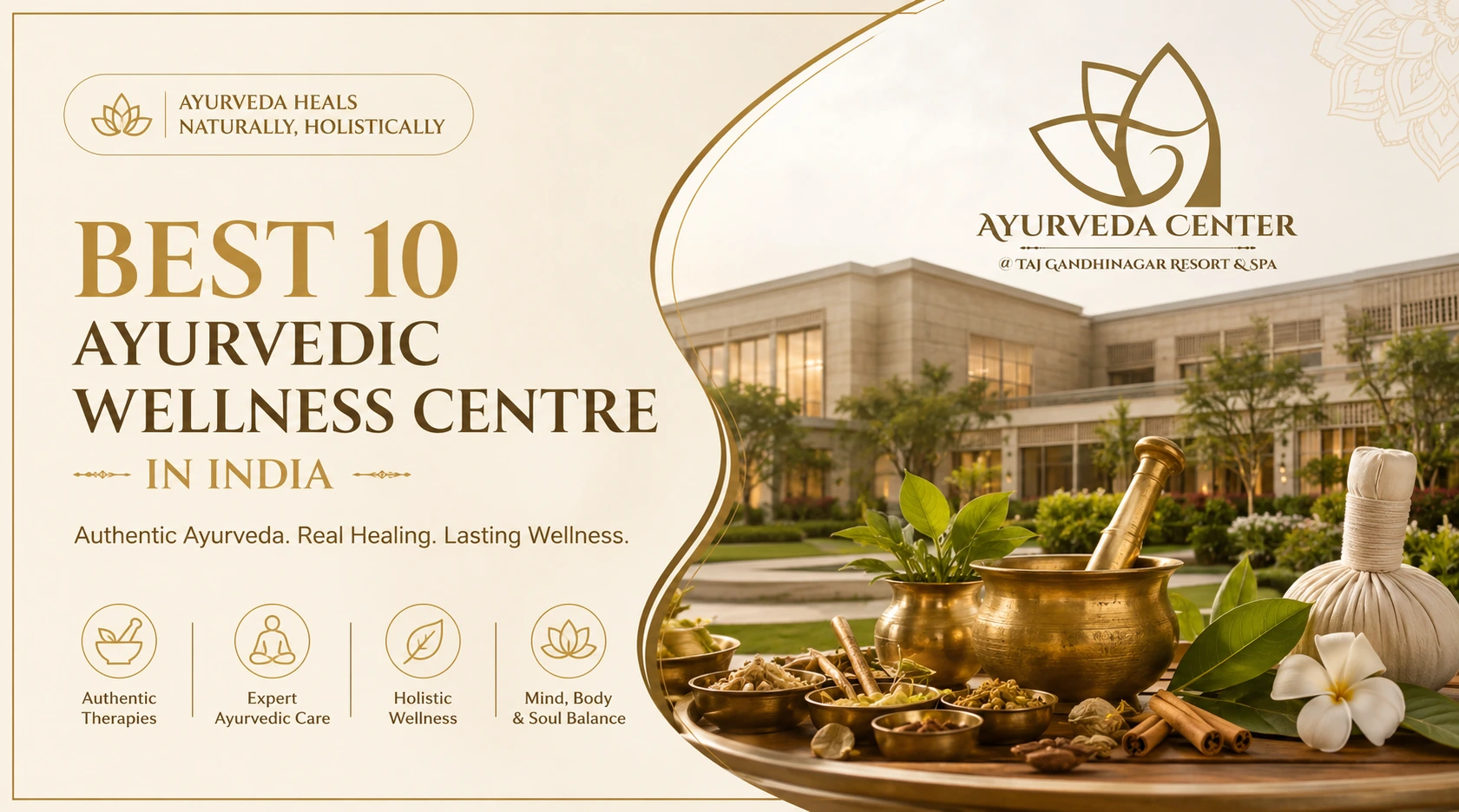
Best 10 Ayurvedic Wellness Centre in India
"From panchakarma to herbal therapies, these top 10 ayurvedic wellness centres in India offer genuine care and results at Ayurveda Center at Taj Gandhinagar."
Ayurveda has quietly transformed from a niche interest into a genuine wellness movement. More people than ever are seeking alternatives to quick-fix healthcare, drawn to a system that's been refining itself for over 5,000 years. The appeal makes sense: instead of treating symptoms, Ayurveda addresses root causes through personalized approaches that consider your unique constitution.
If you're considering an Ayurvedic wellness program in India, you're not alone. Whether you're struggling with chronic stress, digestive issues, or simply wanting preventive care, wellness centres across India now offer serious Panchakarma treatments and comprehensive healing programs. The challenge isn't finding a centre, it's finding the right one.
A genuine Ayurvedic wellness center differs fundamentally from luxury spa resorts that happen to offer Ayurvedic services. Real therapeutic work demands experienced practitioners, authentic treatment protocols, and honest communication about timelines and outcomes. This guide examines ten established centres known for delivering substantive wellness programs rather than Instagram-worthy experiences.
Top 10 Ayurvedic Wellness Centres in India
1. Ayurveda Center at Taj (Gandhinagar, Gujarat)
Located in Gandhinagar, this centre serves a specific but significant population: people in Gujarat seeking authentic Ayurvedic care without the complications of traveling to Kerala. That geographic accessibility matters more than it seems. Committing to three weeks of intensive therapy becomes realistic when you're not managing flights, climate adjustment, and time away from home.
The centre emphasizes constitutional assessment before designing any wellness program. Rather than applying standardized Panchakarma protocols to everyone, practitioners spend time understanding your health history, digestive patterns, stress levels, and lifestyle. That customization reflects core Ayurvedic philosophy: treatment must align with your unique dosha composition.
They maintain an in-house herbal pharmacy where formulations are prepared fresh. Their doctors hold proper qualifications and bring actual clinical experience to Panchakarma treatment delivery. Importantly, they maintain transparent communication about what customization looks like and realistic timeframes for results.
For first-time Ayurveda clients, that straightforward approach builds confidence. For busy professionals, local accessibility removes common barriers to commitment. The peaceful setting supports the healing work without requiring extensive travel recovery.
Treatment focus: Personalized Panchakarma protocols, constitutional assessment, lifestyle counseling
Best suited for: Gujarati professionals, first-time Ayurveda clients, those preferring local accessibility
Typical duration: 3 to 4 weeks
2. Kairali: The Ayurvedic Healing Village (Palakkad, Kerala)
The 2025 TripAdvisor Travelers' Choice Award for this Kerala centre reflects consistent guest satisfaction across multiple visits. That consistency matters more than a single outstanding experience. The 30-villa property on an organic farm achieves something genuinely rare: balancing therapeutic intensity with livable comfort.
Treatment spaces are designed specifically for Panchakarma work, not adapted from spa facilities. Extended programs from 4 to 8 weeks allow deeper transformation than shorter stays. Their post-program guidance extends months after departure, which significantly affects whether benefits persist or fade.
The challenge here is that premium pricing sometimes reflects hospitality more than clinical rigor. Verify what's actually included before booking accommodation quality shouldn't overshadow treatment quality in your decision.
Treatment focus: Extended Panchakarma programs, rejuvenation therapies, post-treatment support
Best suited for: International visitors, those wanting proven satisfaction combined with comfort
Typical duration: 4 to 8 weeks
3. Soukya International Holistic Health Centre (Bengaluru, Karnataka)
Most traditional Ayurvedic centres rely entirely on pulse diagnosis and observation. Soukya adds clinical testing: initial diagnostic assessment plus ongoing monitoring of relevant health markers. Their practitioners hold both MBBS and BAMS degrees, enabling clinical oversight alongside traditional protocols.
Located near Bangalore, this centre serves working professionals unable to disappear for extended periods. Programs run 3 to 4 weeks. Urban location means less environmental tranquility than coastal or mountain settings, but clinical rigor remains high.
If you're concerned about metabolic markers, liver function, or blood sugar responses to therapy, this integration of diagnostics with traditional treatment provides valuable data.
Treatment focus: Diagnostic-guided Ayurvedic therapy, clinical monitoring, wellness programs
Best suited for: Urban professionals, those wanting measurable health tracking
Typical duration: 3 to 4 weeks
4. Somatheeram Ayurveda Village (Chowara Beach, Kerala)
Operating since 1993, this beachfront centre prioritizes therapeutic work over hospitality development. No daily spa treats. No premium bedding. What you get is an uncompromising focus on Panchakarma delivery.
Practitioners trained in classical Kerala methods maintain those traditions rigorously. The coastal setting provides something harder to quantify: proximity to water often creates psychological ease during intensive detoxification work, though therapeutic outcomes depend primarily on treatment quality itself.
The simplicity appeals to people genuinely serious about healing. That trade-off signals where their priorities lie.
Treatment focus: Classical Kerala Panchakarma, traditional protocols, therapeutic intensity
Best suited for: Those prioritizing authentic methodology over amenities
Typical duration: 3 to 4 weeks
5. Kottakkal Arya Vaidya Sala (Kerala)
Operating continuously since 1902, this institution didn't just survive, it shaped modern Ayurvedic practice. Their herbal formulations are manufactured and distributed across India under quality regulation. That manufacturing history signals genuine commitment to standards.
Marketing here is refreshingly straightforward: healing takes time, protocols follow established principles, results depend on your constitution and personal adherence. Practitioners trained through direct mentorship with established teachers maintain consistency that formal certification programs sometimes miss.
The facility remains purely focused on therapeutic work. Guest comfort ranks below treatment integrity, which appeals to people serious about healing.
Treatment focus: Classical Ayurvedic protocols, institutional heritage, herbal expertise
Best suited for: Those valuing historical credibility and classical rigor
Typical duration: 3 to 4 weeks minimum
6. Ananda in the Himalayas (Narendra Nagar, Uttarakhand)
Most quality centres force a choice between genuine therapy and comfortable surroundings. Ananda attempts both, with mostly successful results. The Himalayan setting attracts international visitors. Many find the environment peaceful, though therapeutic outcomes depend primarily on treatment quality and personal health rather than altitude.
Practitioners customize programs integrating yoga and meditation alongside Panchakarma work. Premium pricing reflects both clinical quality and hospitality standards. Verify you're paying for therapy depth, not primarily for resort amenities.
Treatment focus: Integrated yoga, meditation, Panchakarma, holistic wellness
Best suited for: International clients, those wanting treatment without sacrificing comfort
Typical duration: 3 to 4 weeks
7. Kalari Kovilakom (Palakkad, Kerala)
Unique among major centres, Kalari Kovilakom combines traditional martial art training with Ayurvedic protocols. Movement therapy addresses body awareness and nervous system tone in ways passive treatments miss. Programs run 3 to 4 weeks, though they require moderate physical capability.
Treatment focus: Movement therapy, Kalaripayattu, Panchakarma integration
Best suited for: Those interested in active healing modalities
Typical duration: 3 to 4 weeks
8. Vaidyaratnam Oushadhasala (Thrissur, Kerala)
Institutional Ayurveda grounded in classical texts. Their herbal pharmacy reflects centuries of formulation knowledge. This represents purely treatment-focused work without hospitality additions. Manufacturing credibility signals serious commitment to herbal quality standards.
Treatment focus: Classical protocols, herbal expertise, institutional knowledge
Best suited for: Purists seeking authentic traditional approach
Typical duration: 3 to 4 weeks
9. Jiva Ayurveda (Faridabad, Haryana)
Located near Delhi, Jiva serves professionals unable to leave major cities for weeks. BAMS-qualified practitioners provide comprehensive wellness assessment. Urban location brings environmental trade-offs; noise affects therapeutic depth compared to retreat settings, but treatment quality remains high.
Treatment focus: Urban accessibility, comprehensive assessment, professional-friendly scheduling
Best suited for: Delhi-region professionals, working individuals
Typical duration: 2 to 3 weeks
10. Patanjali Yogpeeth (Haridwar, Uttarakhand)
Operates at institutional scale while maintaining treatment quality. Integration of yoga with Ayurvedic protocols creates a distinctive approach. Managing numerous concurrent programs requires confirming how they customize wellness approaches for individual needs.
Treatment focus: Yoga integration, institutional resources, accessible programs
Best suited for: Those valuing yoga component in wellness programs
Typical duration: 2 to 4 weeks
How to Choose the Best Ayurvedic Wellness Centre?
Practitioner Qualifications
This matters more than facility appearance. Request specific information: names, BAMS registration numbers (verifiable through state Ayurveda boards), years of practice, and specific experience with your health condition. Legitimate centres answer these questions directly and completely.
Treatment Planning Philosophy
Quality centres spend 1 to 2 hours on initial consultation, asking detailed questions about lifestyle, digestion, sleep patterns, stress levels, and health history. Quick assessments suggest lower individualization. Your wellness program should reflect your unique constitution, not a generic protocol.
Authentic Panchakarma Delivery
Understand what Panchakarma actually includes at the centre you're considering. Different centres emphasize different components. Some focus heavily on massage therapies. Others include stronger detoxification protocols. Know what you're signing up for.
Hygiene and Facility Standards
Check reviews specifically for cleanliness, food quality, and facility maintenance. These aren't luxuries, they're basic requirements for therapeutic work.
Post-Program Support
Do they provide 6 to 12 months of dietary guidance and lifestyle protocols after your program ends? Centres offering nothing post-treatment suggest limited interest in sustained results. The three-week program initiates change; maintaining it requires months of continued implementation.
Location and Duration
Consider whether you can realistically commit to the full program duration. Two-week programs deliver incomplete results. Three weeks represents the minimum for meaningful change.
Benefits of Panchakarma Treatment
Panchakarma represents the most intensive Ayurvedic wellness program available. The name literally means "five actions," referring to five therapeutic processes designed to eliminate deeply accumulated toxins from tissues.
Detoxification and Cellular Renewal
Panchakarma systematically mobilizes and eliminates accumulated metabolic waste from tissues where it's lodged for months or years. This cellular-level cleansing often produces noticeable changes in energy, mental clarity, and physical resilience.
Stress Reduction and Nervous System Regulation
The intensive therapeutic routine, combined with herbal treatments specifically chosen to calm vata dosha, profoundly settles an overstimulated nervous system. Many participants report sleep improvements by week three of treatment.
Digestive System Restoration
Poor digestion sits at the root of most chronic health issues in Ayurvedic understanding. Panchakarma systematically restores digestive function through specific herbal preparations and dietary protocols tailored to your constitution.
Improved Sleep Quality
Better sleep often emerges as an early benefit, typically by week two or three. This improvement reflects nervous system settling and reduced accumulated stress load on the body.
Enhanced Mental Clarity and Emotional Balance
As physical toxins clear and stress loads diminish, many people report improved mental focus, emotional stability, and psychological resilience. These benefits typically develop gradually through and after the program.
Long-term Lifestyle Improvements
Genuine Panchakarma programs include comprehensive dietary and lifestyle guidance designed to prevent toxin reaccumulation after you return home. These protocols determine whether benefits persist months after program completion.
What to Expect During an Ayurvedic Wellness Program?
Understanding the actual day-to-day experience helps set realistic expectations.
Initial Consultation and Assessment
Your first appointment involves detailed health history review and dosha assessment through pulse diagnosis, tongue examination, and observation. This assessment shapes your entire personalized protocol.
Daily Routine Structure
Most programs maintain consistent daily rhythms: early morning wake time, warm oil massage, herbal steam, specific treatments based on your protocol, meals at set times, yoga, and meditation. This regularity supports healing.
Dietary Approach
You'll receive specific meal plans tailored to your constitution and current health situation. Diet isn't restrictive, it's therapeutic. Foods are chosen specifically to support your healing process.
Treatment Modalities
Depending on your protocol, treatments may include abhyanga (warm oil massage), nasya (nasal herbal administration), shirodhara (warm herbal oil streaming on forehead), basti (herbal enema), and others. Each serves specific therapeutic purposes.
Lifestyle Guidance
Beyond treatments, you'll receive guidance on sleep timing, activity level, stress management, and seasonal adjustments. These elements integrate into your overall wellness approach.
Post-Program Planning
Quality centres provide detailed protocols for the weeks and months after your program ends. This guidance determines whether improvements persist or fade.
Conclusion
Selecting an Ayurvedic wellness centre requires honest assessment of what authentic treatment actually involves. Marketing appeal, luxury amenities, and Instagram-worthy settings shouldn't drive your decision. Practitioner qualifications, transparent treatment philosophy, and realistic outcome communication should.
The ten centres reviewed here offer genuine wellness programs grounded in authentic Ayurvedic principles. Each brings different strengths: some emphasize classical protocols, others integrate diagnostics, some prioritize accessible locations. None are universally "best"; the right centre is whichever aligns with your specific health goals, timeline, and willingness to commit fully to the process.
When evaluating options, contact practitioners directly. Ask specific questions about their qualifications, treatment customization, and post-program support. Honest answers indicate trustworthy centres. Vague marketing language suggests you should look elsewhere.
The Ayurveda Center at Taj Gandhinagar exemplifies the transparency that characterizes quality centres: clear communication about customization, honest timelines, and local accessibility for those unable to travel extensively. Whether you choose this centre or another, prioritize practitioners who genuinely understand Ayurvedic principles and demonstrate commitment to your personal wellness rather than generic protocols.
Your commitment to the process matters more than the facility. The best centre can't force healing if you're not engaged. Quality facilities acknowledge this reality and structure their programs to support your active participation. That's what separates authentic wellness work from luxury tourism.
Enjoying this post? Add us to your Preferred Sources on Google.
Tags

About The Author
Dt. Riddhi Nanda
Experienced Nutrition & Lactation Consultant with over 10 years of expertise, having successfully guided 10,000+ patients. Certified in CCN, CWMST, ALP, PGDHHM, PGDMLS, and a proud member of the Nutrition Society of India.
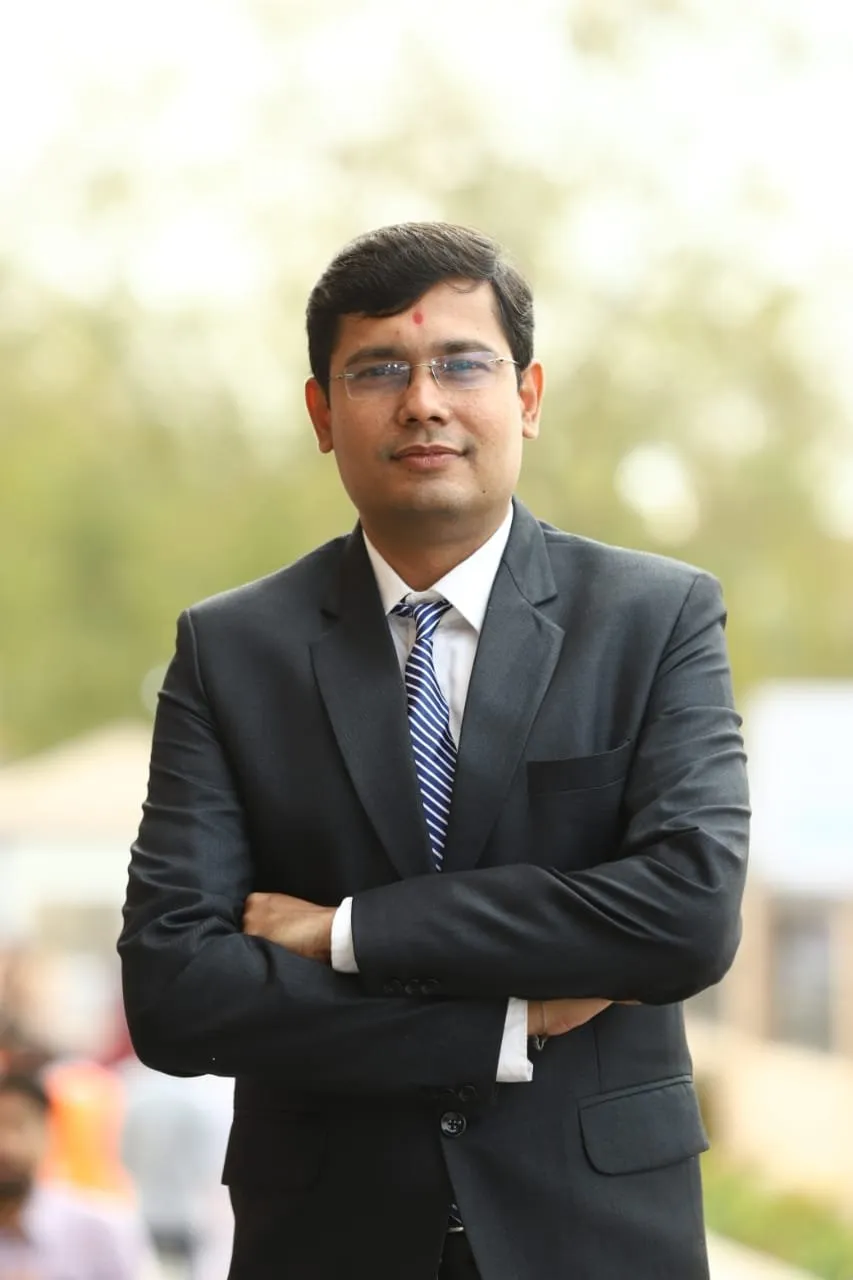
Vaidya Swapnil Modi, BAMS
Senior Ayurveda Vaidya & Nadi Pariksha Specialist • 17+ Years Clinical Experience
Senior Ayurveda Vaidya at Ayurveda Center, Taj Gandhinagar Resort & Spa (in clinical collaboration with SETU Holistic Hospital). Former Specialist at SGVP Holistic Hospital. Specialist in classical Panchakarma protocols, Nadi Pariksha bio-energetic assessment, and neuro-calmative Vedic therapies for psychosomatic balance.
The clinical articles, treatment pathways, and retreat descriptions published on this website are provided strictly for educational and health-literacy purposes. Ayurvedic interventions—including Shirodhara, classical Panchakarma purification, herbal medicaments, and dietary protocols—are complementary holistic therapies designed to address doshic imbalances, support metabolic digestion (Agni), and calm the central nervous system.
Content clinically supervised by registered Ayurvedic Vaidyas at SETU Holistic Hospital / Ayurveda Center, Taj Convention Centre, Gandhinagar, Gujarat.
Questions & Answers